
Fashion Trends: Causes and Effects
Introduction
Fashion trends are an ever-changing phenomenon that influence how people dress, express themselves, and perceive style. What was considered fashionable a decade ago may now be outdated, while vintage styles from the past often make a comeback with a modern twist. But what drives these trends? And what impact do they have on individuals and society? Current Fashion trends are shaped by various factors, including cultural shifts, technological advancements, celebrity influence, and social media. In turn, these trends affect consumer behavior, economic growth, and even environmental sustainability. This article explores the key causes behind fashion trends and their widespread effects on society and the industry.
Causes of Fashion Trends
Top Fashion trends do not emerge randomly; they are influenced by a combination of social, cultural, economic, and technological factors. Let’s take a closer look at the main drivers of fashion trends.
1. Celebrity and Influencer Impact
Traditionally, best fashion design relied on human creativity and manual sketches. Today, AI-driven software like Heuritech and IBM Watson analyzes trends, consumer preferences, and social media patterns to predict the next big styles. Designers can use AI-generated insights to create collections that align with market demands.
AI also helps in digital clothing design, where software tools generate realistic prototypes without the need for physical samples. This reduces material waste and speeds up the production process. Brands like Tommy Hilfiger and H&M are already leveraging AI to enhance their creative processes.
2. Cultural and Social Movements
Fashion is a reflection of the times. Political movements, social changes, and cultural shifts all influence what people wear.
- Feminism and Gender Fluidity: The rise of gender-neutral fashion reflects changing attitudes toward gender identity. Brands like Gucci and Balenciaga have embraced gender-fluid collections, breaking traditional boundaries of men’s and women’s clothing.
- Body Positivity and Inclusivity: The demand for diverse representation in fashion has led to the popularity of plus-size, adaptive, and body-inclusive designs. Brands like Savage X Fenty and SKIMS have embraced this movement.
- Minimalism and Sustainability: The growing awareness of environmental issues has led to a rise in minimalist fashion and sustainable clothing, with brands like Patagonia and Stella McCartney leading the way.
3. Technological Advancements
Technology plays a crucial role in shaping modern fashion trends, influencing both production methods and consumer behavior.
- Smart Fabrics and Wearables: Innovations like moisture-wicking sportswear and smart textiles that monitor heart rate have made functional fashion a trend.
- AI and Virtual Try-Ons: AI-driven fashion recommendations and AR-powered virtual fitting rooms influence how consumers shop for mens trendy clothes to womens trendy clothes.
- 3D Printing and Customization: Custom-made top fashion trends is becoming more accessible through 3D printing, allowing unique and tailored designs to gain popularity.
4. Economic and Political Influences
Economic conditions and political events often dictate top fashion trends by impacting consumer spending and production methods.
- Recessions and Luxury Fashion: During economic downturns, people tend to favor practical, durable clothing over luxury fashion, leading to the rise of budget-friendly brands like Uniqlo and Zara.
- Fast Fashion Boom: Globalization and the rise of fast fashion brands like Shein and H&M have made trendy clothing affordable and accessible, influencing mass-market fashion.
- Global Trade and Tariffs: The cost and availability of fabrics, manufacturing, and imports directly affect the types of fashion trends that become mainstream.
5. Nostalgia and Revival of Past Trends
Fashion is cyclical—trends from previous decades often make a comeback with a modern twist.
- The ’90s and 2000s Revival: Oversized denim, crop tops, and chunky sneakers from the ‘90s and early 2000s have regained popularity, fueled by Gen Z and social media trends.
- Vintage and Retro Aesthetics: Thrift shopping and vintage fashion have gained traction, promoting sustainability and bringing back classic styles.
- Fashion Archive Fever: Celebrities and designers are revisiting past fashion archives, leading to a resurgence of vintage designer pieces like Jean Paul Gaultier’s corsets and Dior’s saddle bags.
Effects of Fashion Trends
Today’s Fashion trends have far-reaching consequences beyond personal style. They impact consumer behavior, industries, economies, and even the environment.
1. Consumerism and Fast Fashion Culture
One of the most significant effects of hottest fashion trends is the rise of consumerism. The fast-paced nature of trends leads to a culture of overconsumption, where people constantly buy new trendy clothes for women and men to keep up with the latest styles.
- Rise of Fast Fashion: Brands like Zara, H&M, and Shein produce new collections at rapid speeds, encouraging consumers to purchase inexpensive, trendy clothing.
- Impulsive Buying: Social media and influencer promotions often drive impulse purchases, leading to excessive spending on
cute trendy clothes that quickly go out of style.
- Decline in Quality: To keep costs low, fast fashion brands often compromise on fabric quality, resulting in clothes that wear out quickly.
2. Environmental Consequences
The fast fashion industry has a massive environmental footprint, contributing to pollution and waste.
- Textile Waste: Millions of tons of clothing end up in landfills every year due to rapidly changing trends and overproduction.
- Water and Chemical Pollution: The dyeing and production of textiles consume vast amounts of water and release toxic chemicals into water sources.
- Carbon Emissions: The transportation and production of garments contribute significantly to global carbon emissions.
To counter these issues, sustainable fashion movements promote slow fashion, ethical sourcing, and second-hand shopping.
3. Impact on Self-Expression and Identity
While fashion trends allow for creative self-expression, they can also pressure individuals to conform.
- Empowerment Through Style: Many people use fashion trends from summer to winter express their personality, values, and cultural identity. Trends like gender-fluid fashion and body-inclusive styles help individuals feel seen and represented.
- Peer Pressure and Social Media Influence: Trends can create a sense of pressure, especially among younger generations, leading to body image issues and self-esteem concerns.
- Personal Style vs. Trend Following: The fast-changing nature of trends can sometimes overshadow the importance of personal style, making people feel the need to constantly adapt.
4. Economic Effects on Fashion Industry
The fashion industry is a multi-trillion-dollar global business, and trends directly impact brands, designers, and retailers.
- Boost in Sales for Trend-Driven Brands: Fashion brands that capitalize on trends see significant financial gains. For example, brands that quickly adapt to TikTok fashion trends experience a surge in sales.
- Challenges for Traditional Designers: Slow-90s fashion trends and independent designers often struggle to keep up with fast-moving trends, impacting their business growth.
- Rise of Resale and Second-Hand Markets: Platforms like Depop, Poshmark, and The RealReal benefit from trend-driven consumers who resell their trendy pieces after a short period.
5. Influence on Cultural Exchange
Globalization has allowe trendy fashion websites to spread across borders, promoting cross-cultural influences.
- Cultural Appreciation vs. Appropriation: While cultural fashion trends help spread awareness, they also raise concerns about cultural appropriation when elements are taken without proper understanding or respect.
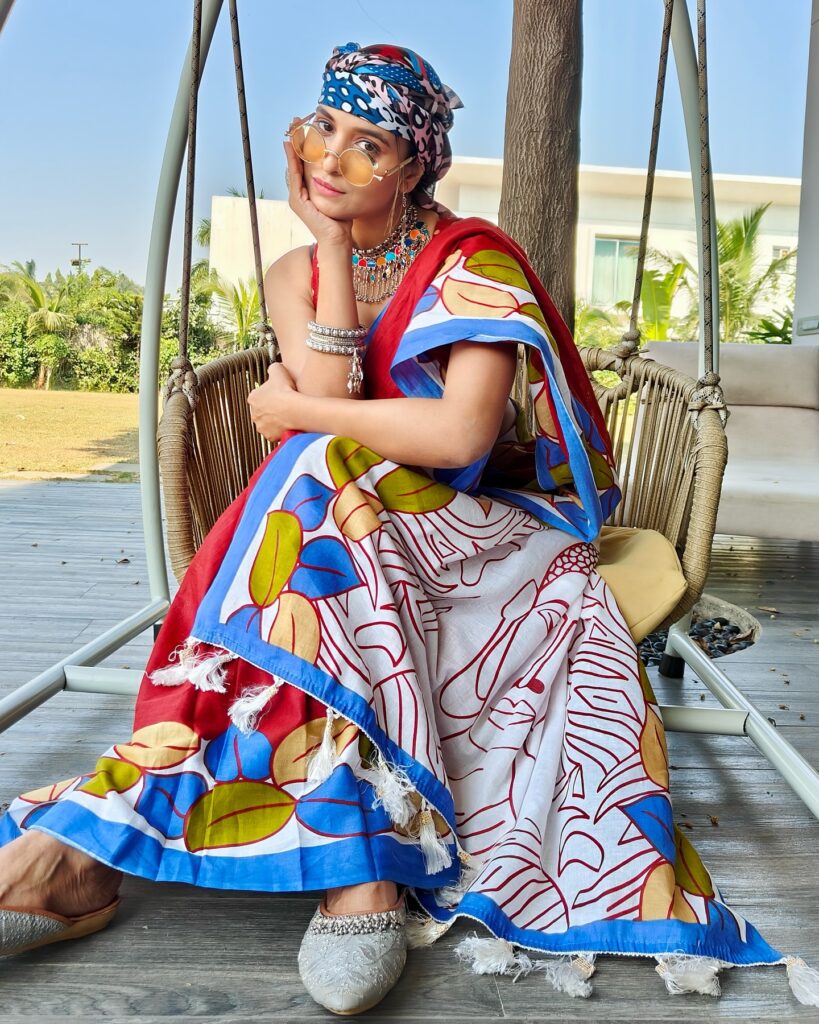
- Fusion Fashion: Many modern fashion trends blend elements from different cultures, such as Japanese streetwear influencing Western styles or African prints becoming mainstream.
- Diversity in Representation: Fashion trends are increasingly inclusive, showcasing diverse cultural backgrounds and perspectives.
Conclusion
Fashion industry trends are driven by a variety of factors, including celebrity influence, social media, cultural movements, technology, and economic conditions. While trends can inspire creativity and self-expression, they also come with consequences such as environmental pollution, consumerism, and social pressure.
The future of fashion trends is shifting towards sustainability, personalization, and ethical consumption. As consumers become more aware of the impact of their fashion choices, brands are being encouraged to adopt responsible practices. Ultimately, fashion trends will continue to evolve, but the key lies in balancing style with sustainability and individuality.
Whether you follow trends or carve out your own unique style, fashion remains a powerful tool for expression, identity, and cultural exchange.
Views: 0