Interview

Montana: Do what you love, be aware of your environment, and learn to realize when you need a break and take it.

Montana answers all of your questions related to modeling and her future goals

Q. Tell us an interesting thing about yourself:
- I jumped off a 17ft cliff in Manly with my fiancé. Also, I’m engaged.

Q. How was the experience of your first shoot:
- Very nervous, but I became more confident from that and learned helpful face exercises and poses.

Q. Who do you consider to be the world's most successful model:
- Gigi Hadid and Cindy Crawford.

Q. Is there a brand or designer you aspire to model for:
- Vogue, Calvin Klein, Prada, Victoria’s Secret. All the top high-end supermodel brands and designers.

Q. Do you model freelance or full-time:
- I want to do it full-time now!

Q. What is the most famous brand you have modeled for:
- Haven’t modeled for a brand yet. I will be soon for “Salty Johnson.” I’m shooting in his swimwear designs in Thailand. That will be my first brand shoot.

Q. How do you want to grow as a model:
- Get more and more experience and opportunities and promote myself.

Q. What is the toughest part of a model's job:
- Being patient, I think, and making sure I balance my health well at the same time.

Q. How far are you willing to travel to do a photoshoot:
- Depends on what options I have available to me at the time.

Q. What fashion styles and designs do you like:
- Anything fashion that you believe I would suit well in and help you get the best images you want.

Q. Where do you see the fashion industry in five years:
- Being a supermodel.

Q. What are your professional and career goals:
- To model for Vogue and be in the Victoria’s Secret fashion show.

Q. What is your greatest strength or weakness:

  • Strength: Patience.
  • Weakness: Naive (I am very trusting of people).

Q. Why did you become a model:
- To prove everyone wrong and follow my dreams!!!

Q. Have you worked as an art director during a shoot:
- Nope.

Q. What do you expect from a photographer:
- To be kind, a good communicator, funny and creative, open-minded, and good at giving honest feedback to help me improve my experience and get the best images possible.

Q. How can a model follow the guidance of directors:

  • Being attentive: Listen carefully to the director's instructions during fittings and shoots.
  • Asking questions: If something is unclear, don’t hesitate to ask for clarification.

Q. What kinds of clothes and accessories are the easiest to model:
- Anything. I’m easy. I love creativity but as long as it is elegant-looking.

Advertisement

Q. Do you prefer a live fashion show or on-site photoshoot:
- Both!!!

Q. Is it important for models working together to be friends:
- Yes, of course, because I think it’s important to support one another and not hate or be jealous of each other. However, be aware and mindful of who that person actually is. Don’t allow yourself to be fooled or scammed or mistreated.

Q. What would you say to models who are just starting their careers:
- You never know till you try.

Q. Explain the biggest obstacle you have faced in your modeling career so far. How did you overcome it:
- Traveling does get a bit tiring, but that’s it really. I’m very patient and hard-working.

Q. Do you think training is necessary for modeling:
- Yes.

Q. Describe the most challenging photoshoot you have been a part of:
- Haven’t experienced that yet.

Q. How do you incorporate feedback into your work:

  • I listen actively: Pay close attention to the feedback received and try to understand the perspective behind it.
  • I practice: Dedicate time to improve on areas suggested in the feedback.

Q. Name the three most important traits of a model:

  • Confidence: A good model exudes confidence, which helps them stand out and connect with the audience.
  • Versatility: Being able to adapt to different styles, themes, and directions is crucial in the fashion industry.
  • Professionalism: This includes being punctual, prepared, and respectful towards everyone involved in a shoot or show.

Q. Have you ever quit a photoshoot or live show:
- No.

Q. How do you usually get work and assignments:
- It’s all done online for me.

Q. Is it important to network to succeed as a model:
- Yes, I think it is. Clear communication is key.

Q. How can models look after their mental health?
- Do what you love, be aware of your environment, and learn to realize when you need a break and take it. I go swimming, eat foods that are good for my mind, body, and soul.

Q. What is your view of sustainable fashion?

  • Environmental Impact: I believe sustainable fashion should prioritize reducing the environmental footprint of clothing production. This includes using eco-friendly materials, minimizing waste, and promoting ethical manufacturing processes.
  • Social Responsibility: I emphasize the importance of fair labor practices and ensuring that workers in the fashion industry are treated ethically. This perspective advocates for transparency in the supply chain and supporting brands that prioritize workers' rights.

Q. Name one designer who revolutionized the fashion industry and explain why.
- Coco Chanel revolutionized the fashion industry. She liberated women from the constraints of corseted silhouettes, introducing more comfortable and casual styles that emphasized simplicity and elegance. Chanel popularized the concept of "fashionable" casual wear, such as the little black dress and the use of jersey fabric. Her influence shaped modern women's fashion and continues to resonate today.

Q. What are your thoughts on plastic surgery?
- I don’t agree with it and won’t do it ever. However, it doesn’t bother me if other people do it.

Q. What homework and preparation do you undertake before a new assignment?
- I practice, practice, practice, and be very kind to myself.

Q. What makes a model different from a supermodel?
- A model typically works in various fashion contexts, such as runway shows, photoshoots, and commercial work, while a supermodel is often recognized for their high-profile status and significant influence in the fashion industry. Supermodels usually have a larger platform, often featuring in major campaigns, working with top designers, and sometimes branching into other areas like acting or entrepreneurship. Their fame and brand recognition set them apart from regular models.

Q. What would you do if you disagreed with the photographer or director?
- I would communicate my thoughts in a respectful, kind, and respectful way. And try to come to a mutual agreement with one another.

Q. Choose your favorite picture from your portfolio and explain your choice.
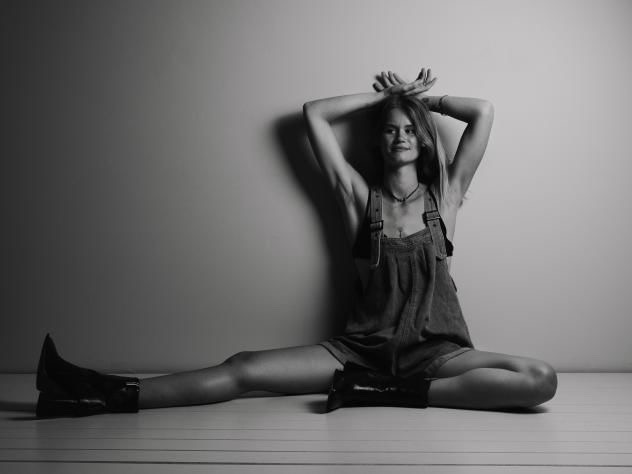
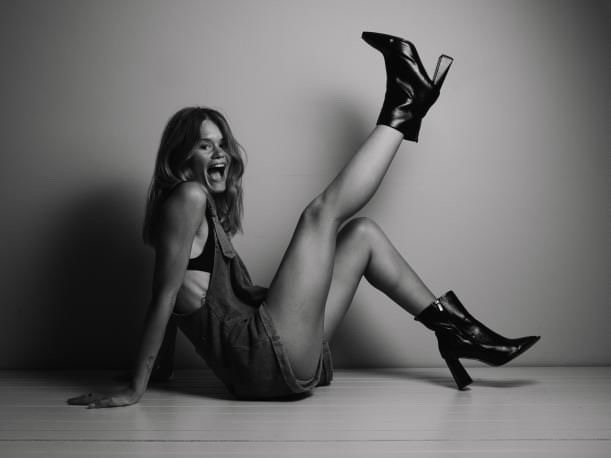
- My most recent portrait photo (black and white one). I love my face and smile in it. I felt like myself while shooting, and I didn’t feel tense, and it felt natural. It felt really authentic, which is what I want when I do shoots. I don’t want to be fake or lie or cheat.

Q. How can models support each other in their career development?
- Love each other and be kind and helpful towards one another. Uplift each other and give positive and honest feedback to help them grow.

Q. Are there specific clothes you want to model or avoid?
- Avoid nudity.

Q. How long was the contract with your last agency?
- I am not with a current agency. I am scouted by NewGenModel, and they are my mother agency at the moment.

Q. What is the best and worst aspect of the fashion world?
- The best aspect of the fashion world is its ability to inspire creativity and self-expression. Fashion allows individuals to showcase their unique styles and personalities, fostering a sense of identity and community.
On the other hand, the worst aspect can be the pressure to conform to unrealistic beauty standards and trends. This can lead to negative body image issues and a lack of diversity in representation, which can be detrimental to both individuals and the industry as a whole.

Q. Is fashion art?
- Yes, it’s creative, and it’s beautiful. It creates a masterpiece at the end of the day.

Q. What is your favorite fashion magazine and why?
- Vogue because I can see myself being on the front cover.

Q. What is couture?
- Couture refers to high-end fashion that is custom-made and tailored specifically for an individual client. It involves exquisite craftsmanship, luxurious fabrics, and unique designs, often created by renowned fashion houses. Couture pieces are typically made to order and can be quite expensive, reflecting the artistry and detail involved in the creation process. The term is often associated with the Paris fashion scene, where many of the most famous couture houses are located.

Views: 2