
Fashion Across Cultures: A Tapestry of Style

Introduction
Fashion is like a language—spoken not with words, but with fabrics, patterns, and colors. Across the world, every culture has its own way of dressing, shaped by history, climate, traditions, and personal expression. From the elegant silk robes of Japan to the bold, colorful prints of West Africa, clothing tells a story of identity and heritage.
Asia: Elegance and Symbolism
In many Asian cultures, fashion carries deep symbolism. In Japan, the kimono is more than just an outfit—it’s a piece of art, with intricate designs that reflect seasons, celebrations, and even social status. China’s qipao, with its sleek silhouette, represents both tradition and modern elegance. Meanwhile, in India, the saree is a timeless garment, its drapes and colors varying from region to region, often representing marital status or religious beliefs.
The 19th Century: Industrial Revolution and Victorian Restraint
With the dawn of the Industrial Revolution, fashion became more accessible. Mass production allowed the middle class to adopt styles once reserved for the elite. However, the Victorian era (1837–1901) introduced a more conservative aesthetic. Modesty was key, with high necklines, long sleeves, and structured bodices defining women’s fashion. The crinoline (a stiffened petticoat) gave skirts their characteristic bell shape.
For men, suits became the standard attire, marking the beginning of formalwear as we know it today. This period also saw the rise of fashion magazines, spreading trends faster than ever before.
Europe: Classic Meets Contemporary
Europe’s fashion landscape is a mix of heritage and innovation. France is the heart of haute couture, known for timeless sophistication, while Italy exudes luxury with its finely tailored suits and handcrafted leather. In contrast, Scandinavian fashion leans toward minimalism—clean lines, neutral tones, and functionality are key. From the bold streetwear of London to the refined styles of Paris, Europe’s fashion scene is diverse, blending old-world charm with cutting-edge trends.
Africa: A Celebration of Color and Identity
Fashion in Africa is a vibrant expression of culture, history, and storytelling. West African prints, like Ankara and Kente, burst with bright colors and bold patterns, each design carrying cultural significance. In North Africa, flowing djellabas and richly embroidered kaftans reflect a mix of Arab, Berber, and Mediterranean influences. Across the continent, fashion is not just about style—it’s a statement of pride and heritage.

The Americas: Diversity and Fusion
North and South America are melting pots of cultural influences. In Mexico, traditional garments like the embroidered huipil showcase indigenous craftsmanship, while cowboy boots and denim represent the rugged spirit of the American West. Latin America’s fashion is a mix of indigenous, Spanish, and modern trends—flamenco dresses in Spain-influenced regions, ponchos in the Andes, and samba-inspired carnival outfits in Brazil. Meanwhile, in the United States, streetwear, high fashion, and casual styles coexist, constantly evolving with pop culture

In some regions, luxurious fabrics, gold embellishments, and bold perfumes enhance the overall look, emphasizing status and heritage. Fashion here is both an art and a reflection of cultural values.
The Middle East: Modesty and Opulence
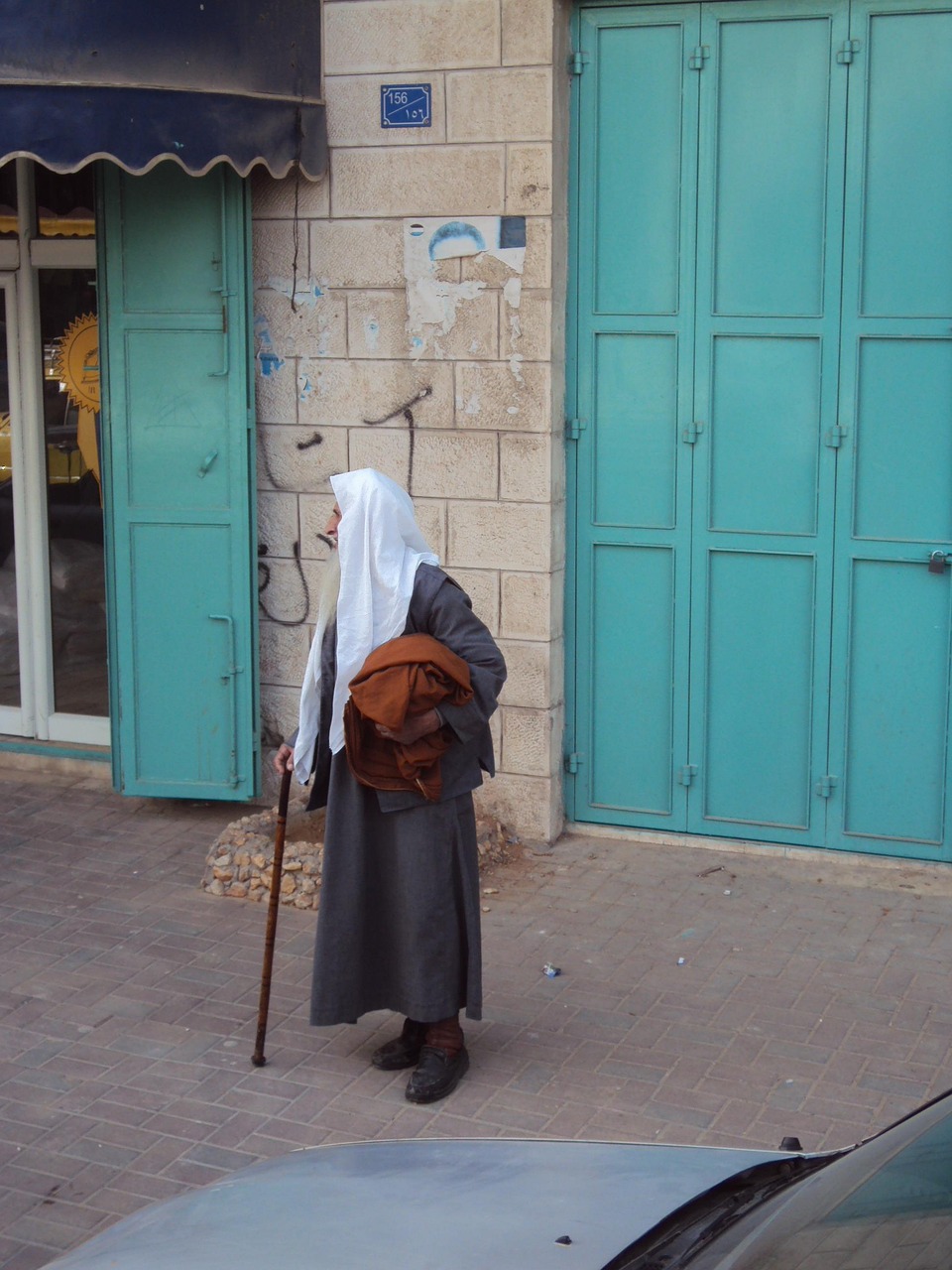
Fashion in the Middle East balances tradition with modernity. Flowing abayas and kaftans, often adorned with intricate embroidery, reflect a sense of modesty while exuding elegance.
sponsered ad
Conclusion
No matter where you are in the world, fashion is more than just clothing—it’s a reflection of culture, history, and individuality. Each region’s unique style tells a story, blending tradition with contemporary influences. As fashion continues to evolve, these cultural differences remain a beautiful reminder of the diversity that makes the world so rich and colorful.
Views: 0